Texas Eyes Bitcoin ATM Ban After $56.8M in Losses—Is Regulation Too Late?
Texas lawmakers weigh banning Bitcoin ATMs after $56.8M in 2025 losses and 1,179 FBI complaints as national kiosk fraud hits $389M. States are split: strict caps or outright bans.

Because Bitcoin
July 31, 2026
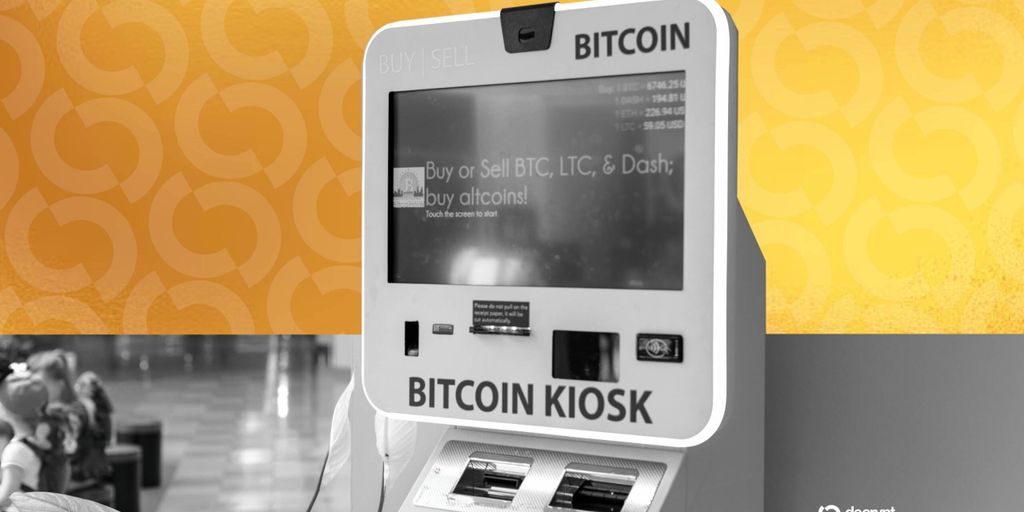
Texas is moving from warnings to action on crypto kiosks. After Texans reported $56.8 million in 2025 losses tied to Bitcoin ATMs—spread across 1,179 FBI complaints—the question at the Capitol isn’t whether to tighten rules, but whether to pull the plug entirely. Nationally, reported crypto kiosk losses jumped 58% last year to $389 million from 13,460 complaints. With roughly 4,000 kiosks statewide, the stakes are no longer theoretical.
At a House hearing on foreign financial influence that quickly centered on crypto, one line cut through the noise. “In my career, I’ve never seen a more efficient, cleaner way to steal money,” said Rep. AJ Louderback. The mechanism is familiar: scammers pressure targets to withdraw cash and feed it into machines in gas stations and convenience stores that convert bills into Bitcoin or other tokens. Once that cash hits the chain, it’s gone.
That irreversibility is the core design issue. Jesse Saucillo, a deputy commissioner at the state banking department, explained why clawbacks fail: funds typically route to an unhosted wallet and then into a mixer, fragmenting flows beyond practical recovery. The pitch is getting sharper, too. AI-generated voices impersonating police or government agencies are making coercive calls far more convincing, collapsing the victim’s decision window.
The rhetoric escalated. One expert told lawmakers that scamming is now treated by international police as an industry on par with drug and human trafficking, and alleged that kiosks in convenience stores “are run by Chinese money launderers.” It is true that U.S. authorities have charged Chinese nationals over crypto fraud compounds in Southeast Asia and prosecuted Chinese money laundering networks moving scam proceeds. It is also true they have not said those groups generally operate U.S. kiosks. Policymaking needs to thread that needle—target the behavior, not stereotype the hardware.
States are diverging on the remedy. Since 2023, 30 states have enacted crypto-kiosk rules. Some installed guardrails: South Dakota caps transactions at $1,000 per day and $10,000 per month and mandates full refunds for fraud victims; Wisconsin and Virginia adopted similar caps. Maine forced a $1.9 million reimbursement settlement from a major operator. Others chose the sledgehammer. Indiana became the first to ban Bitcoin ATMs in March, empowering the attorney general to sue both operators and host retailers; nearly 900 kiosks were active when the governor signed it. Tennessee and Minnesota have since followed.
Texas may be next to break from “regulate and monitor.” Committee chair Rep. Cole Hefner signaled the direction plainly: the state is looking at “doing more than regulating them,” hinting at a bill he described as “kind of simple, but kind of abrupt.”
Here’s the trade-off I care about: bans eliminate the fastest on-ramp that scammers exploit, but they also erase a cash-to-crypto bridge used by underbanked workers, small retailers, and remittance senders who prefer physical touchpoints. The problem isn’t crypto per se; it’s the instant, unilateral conversion of cash into irreversible transactions without embedded friction, context checks, or accountable intermediaries.
If Texas does not ban, it needs structural fail-safes that mirror wire-transfer protections and go further:
- Hard velocity limits and progressive tiers: sub-$300 for first-time users, 24-hour cooling-off for larger tickets, and cumulative monthly caps with on-device alerts. - Real liability: operators fund a restitution pool and must reimburse verified fraud cases, aligning incentives to invest in screening instead of marketing. - Pre-send intelligence: deny or delay transfers to flagged addresses, require enhanced checks for unhosted destinations, and enforce sanctions/mixer exposure thresholds. - Context-aware kiosks: mandatory on-screen scam education, phone-call detection prompts, and store-employee escalation flows for at-risk customers. - Delayed settlement options: hold high-risk transfers in escrow for 24–72 hours with a cancel mechanism, especially for first-time or elderly users.
None of this is free. It compresses operator margins and slows throughput. But it’s the cost of offering a cash on-ramp safely. Otherwise, bans are rational: they remove the vector that social engineers prefer—physical cash plus irreversible crypto—at the expense of legitimate users who value convenience and privacy.
Texas is poised to choose clarity. Either carve-in strict, enforceable controls with real operator skin in the game, or accept that removing the machines is the cleaner policy. Half-measures that keep kiosks frictionless while asking consumers to “be careful” will keep feeding the same statistics next year.