SoFi Reenters Crypto: In‑App Trading for Bitcoin, Ethereum, and Solana Returns
SoFi relaunches crypto trading, letting users buy up to 30 assets directly from FDIC‑insured accounts. Phased rollout with a waitlist follows OCC’s banking guidance.

Because Bitcoin
November 11, 2025
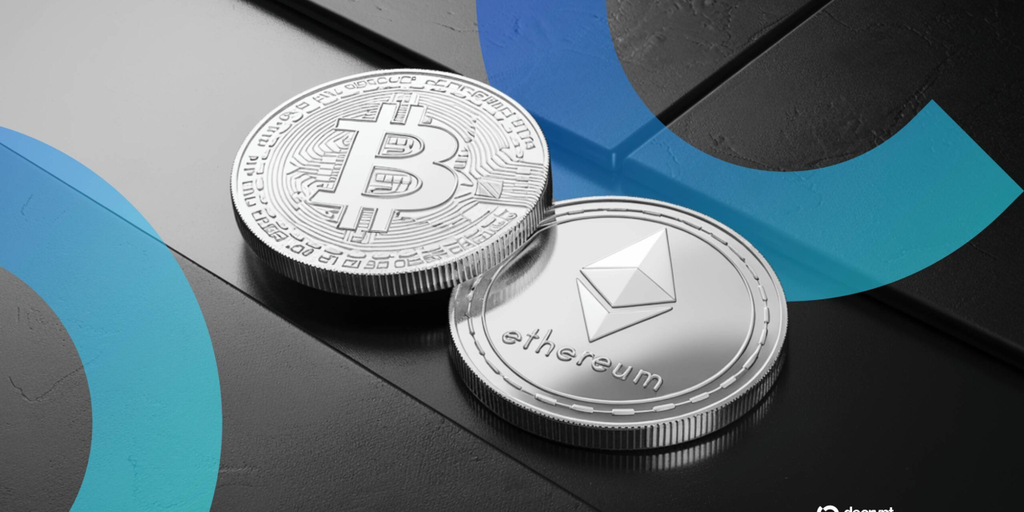
SoFi is pulling crypto back into its core app, letting customers trade Bitcoin, Ethereum, Solana, and a broader roster of tokens from the same place they bank. It’s a notable reversal after the company halted crypto services in 2023 following internal review, and it leans into a theme that keeps surfacing in this market: users often want crypto inside a regulated, familiar wrapper.
What’s live and what’s not - Trading: SoFi Crypto is rolling out in phases with a waitlist. At launch, users can buy and sell as many as 30 digital assets on SoFi’s federally registered platform. - Funding: Purchases can be made straight from FDIC‑insured SoFi checking or savings balances—no separate account required. - Roadmap signals: Leadership previewed crypto’s return on a January earnings call and formally outlined trading plans in June. Earlier hints included potential staking and borrowing features, though those are not part of today’s release.
Why the bank channel matters SoFi is betting on distribution and trust. The firm says internal data shows 60% of its members who already own crypto would rather transact and hold with a licensed bank than their primary crypto exchange. That preference—rational or not—has been a persistent friction point for stand‑alone crypto platforms and a tailwind for regulated financial institutions integrating digital assets.
The regulatory backdrop helps explain the timing. Earlier this year, the Office of the Comptroller of the Currency issued an interpretive letter enabling federally chartered banks to custody crypto and provide related services on behalf of customers. Since then, crypto‑native companies such as Coinbase and Circle have pursued national bank charters, a signal that bank rails and crypto rails are converging rather than competing.
One thing to watch: custody design and user psychology Bringing crypto into a banking app solves a real onboarding challenge—people prefer fewer accounts and clearer funding paths. It also nudges behavior. When assets live next to direct deposit and bill pay, users may trade more often, rebalance more conservatively, or hold through volatility because the product feels “bank‑grade.” That convenience premium can be positive for adoption, but it raises design questions around disclosures, asset movement (e.g., withdrawals vs. walled‑garden trading), and how features like staking or borrowing—if added later—shape risk perception. Getting those choices right will influence whether this becomes a durable flow of deposits into digital assets or a short‑cycle trading spike.
What leadership is saying CEO Anthony Noto framed the relaunch as merging banking and crypto within a single, trusted interface and reiterated a belief that blockchain will reshape financial activity by making value transfer faster and cheaper while expanding ways to borrow, invest, spend, and save. The tone pairs SoFi’s member‑centric branding with a practical product step: crypto as a native tab in a mainstream finance app.
Market reaction and access - Shares of SoFi (SOFI) were up nearly 1% on Tuesday to $30.80 and are up about 100% year‑to‑date. - Access is being opened gradually; interested users can join a waitlist.
The strategy here is straightforward: meet existing crypto demand where people already bank, use regulation as a differentiator, and build optionality for future features. If SoFi executes with clear risk controls and transparent asset handling, the bank‑channel distribution advantage could matter more than any single token listing.