Gold, Silver Break Records as DOJ vs. Powell Spurs Flight to Safety; Bitcoin Stalls Before CPI, PPI
Gold hit $4,600 and silver neared $85 after the DOJ sued Fed Chair Powell, igniting a safe‑haven bid. Bitcoin stayed flat as traders wait for CPI and PPI to set rate‑cut odds.

Because Bitcoin
January 12, 2026
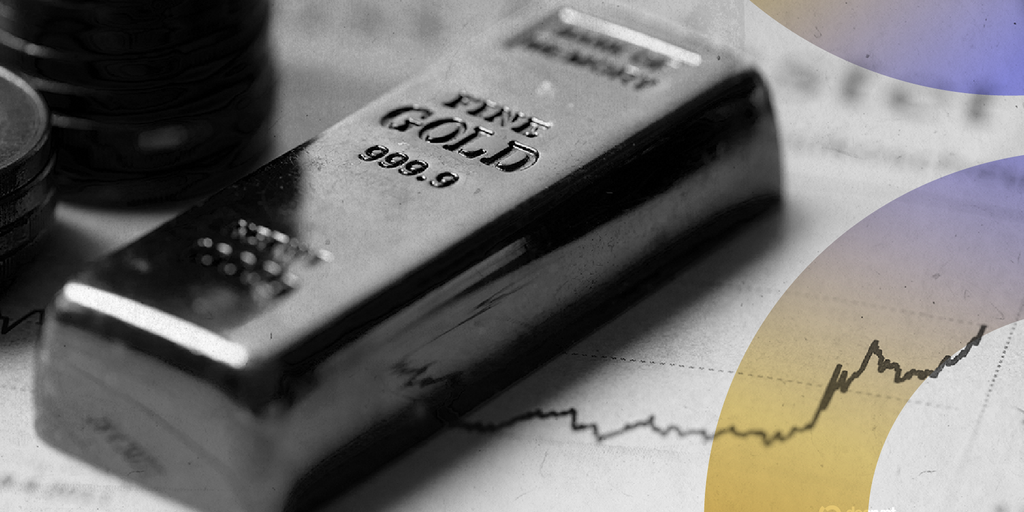
A political shock to U.S. monetary governance just put a price on trust. With the Department of Justice suing Federal Reserve Chair Jerome Powell, investors rushed back to assets with long-standing safe-haven credentials. On Monday, silver ripped nearly 7% from Friday’s close to trade near $85, while gold climbed 2.2% to a fresh record at $4,600. Bitcoin, by contrast, barely moved—down 0.2% over the past 24 hours, per CoinGecko—capturing a clean divergence as capital rotated into traditional hedges ahead of a high-stakes inflation week.
The core dynamic is a repricing of “institutional reliability.” Wenny Cai, COO at SynFutures, said markets leaned into safety amid rising geopolitical risk and renewed doubt about monetary policy credibility. She noted the DOJ action injected unusual political risk and raised concerns about central bank independence—precisely the trigger that pushes allocators toward metals.
That sentiment shift is showing up in prediction markets. On Myriad, a Dastan-owned platform, users now assign a 79% probability that gold reaches $5,000 before Ethereum—a notable jump from 70% at the start of the week. Yaroslav Patsira, Fractional Director at CEX.IO, pointed to renewed geopolitical tensions and soft labor data as additional drivers that strengthen the case for rate cuts, a setup that generally favors non-yielding assets like gold and silver.
Traders won’t have to wait long for confirmation. Tuesday’s U.S. CPI and PPI releases will test whether this move in metals has legs. Patsira argues downside surprises would reinforce rate-cut expectations, adding fuel to the rally. Cai similarly expects softer inflation and labor readings to bolster the bid for non-yielding hedges.
Why did Bitcoin sit it out? When the shock is institutional—perceived challenges to central bank independence—many portfolio managers default to hedges with the deepest trust premium and the least perceived policy headline risk. Crypto often behaves like high-beta liquidity exposure during uncertain policy regimes; without clarity on the timing and magnitude of rate cuts, some investors reduce cyclical beta first and add convex hedges later. That sequencing favors metals now, with Bitcoin positioned to benefit if inflation cools, rate-cut probabilities firm, and liquidity conditions broadly ease.
Metals have reached a pivotal mark—new highs with a political catalyst—yet endurance will be determined by hard data. If CPI and PPI undershoot, the non-yielding asset bid likely persists. If inflation surprises higher, the rotation can fade quickly. Until the path for policy is clearer, expect the trust premium to dominate, and the metals-crypto divergence to remain a live trade.