SEC Implements Stricter Oversight for Dealers, Extending Regulations to Crypto and DeFi
The 247-page rule ratified on Tuesday is applicable to individuals engaging in transactions with crypto assets falling under the definition of securities or government securities, excluding those possessing assets totaling less than $50 million.

Because Bitcoin
February 6, 2024
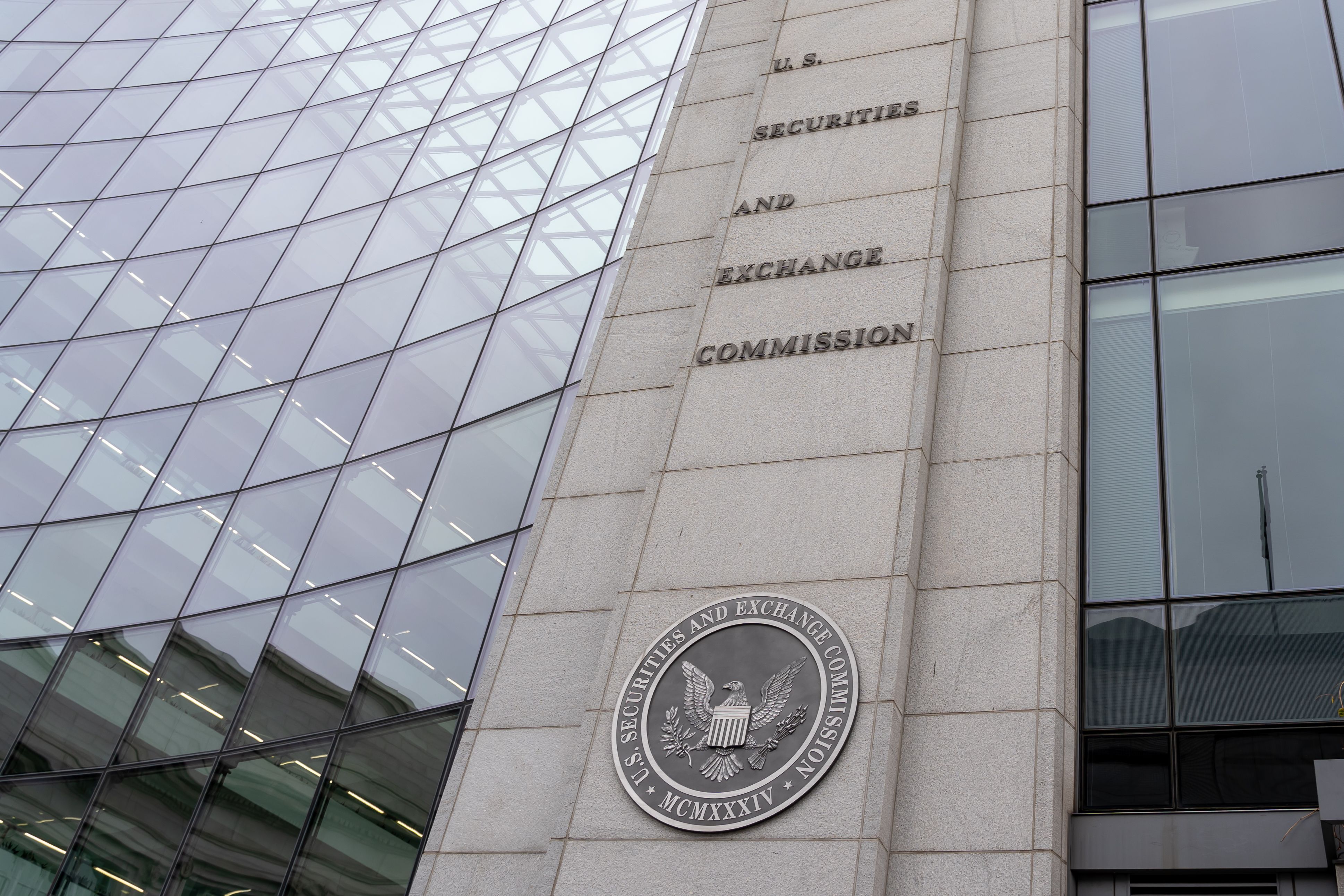
The Block reports that the Securities and Exchange Commission (SEC) has voted in favor of adopting rules requiring market participants with significant liquidity-providing roles to adhere to federal securities laws, extending the application to include the cryptocurrency domain. The 3-2 vote during Tuesday's meeting finalized a 247-page rule that will impact individuals involved in transactions with crypto assets meeting the definition of securities or government securities, excluding those with assets less than $50 million.
The rule, addressing decentralized finance (DeFi), introduces registration requirements for those engaging in regular patterns of buying and selling crypto asset securities, contributing liquidity to the market. Despite pushback from the crypto industry, including comments highlighting the impracticality of the rule for DeFi products, the SEC proceeded with its decision. The DeFi Education Fund labeled the rule "misguided and unworkable," emphasizing its adverse impact on innovation.
Commissioner Hester Peirce, who voted against the rule, questioned its application to automated market makers (AMMs), asserting that AMMs are essentially software protocols. In response, an SEC official argued that AMMs go beyond software. The lack of clarity and transparency in the crypto market was acknowledged, with concerns raised about the difficulties market participants face in understanding SEC rules. Critics, including the Chamber of Digital Commerce, expressed dissatisfaction with the SEC's approach, characterizing it as hostile to the digital asset industry.
SEC Chair Gary Gensler defended the rule as a necessary measure to protect investors, emphasizing the evolving nature of markets due to electronification and algorithmic trading. Gensler highlighted the need for firms acting as de facto market makers to register with the SEC to maintain fairness and level the competitive landscape. The final rules are expected to take effect 60 days after publication in the Federal Register, with a compliance date set for one year after the effective date.
Resources: