Michael Selig Nominated to Chair CFTC Amid Crypto Regulatory Shifts
President Donald Trump nominates SEC's crypto counsel Michael Selig to head the CFTC, signaling a shift in the U.S. approach to cryptocurrency regulation.
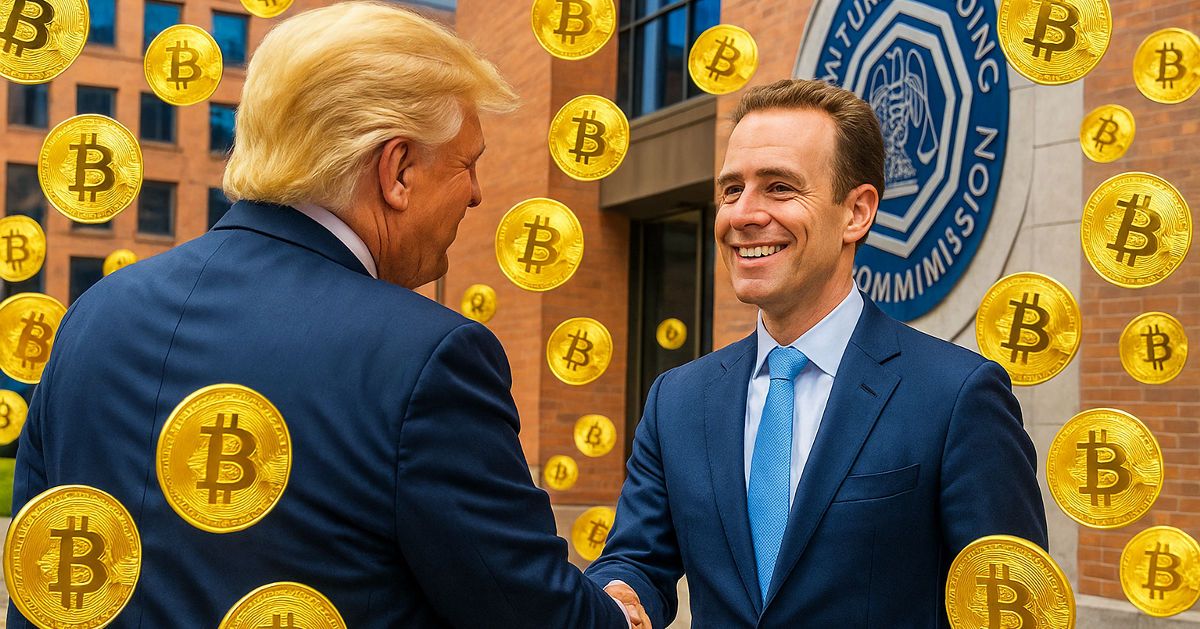

Because Bitcoin
October 25, 2025
In a significant move reflecting evolving attitudes towards cryptocurrency regulation in the United States, President Donald Trump has proposed Michael Selig, a key figure in the Securities and Exchange Commission’s (SEC) cryptocurrency initiatives, to lead the Commodity Futures Trading Commission (CFTC). This decision, initially highlighted by Bloomberg, signifies Trump's continued efforts to shape the CFTC's leadership, following a previous unsuccessful attempt to appoint Brian Quintenz, who faced opposition from prominent crypto figures like Tyler Winklevoss.
Michael Selig, who has played a pivotal role as chief counsel within the SEC’s crypto task force, brings a wealth of experience in navigating the complex regulatory landscape that governs both financial and emerging crypto markets. His tenure at the SEC under Chairman Paul Atkins has been marked by efforts to harmonize regulatory frameworks between the SEC and the CFTC, a crucial task as both agencies oversee distinct yet overlapping areas of the financial markets.
The CFTC, responsible for the regulation of futures, swaps, and emerging prediction markets, is poised to gain increased significance as Congress debates new legislative measures aimed at reshaping the crypto market landscape. This move towards comprehensive legislation underscores the need for clear regulatory guidance, particularly in the burgeoning crypto sector.
Before his role at the SEC, Selig was a partner at Willkie Farr & Gallagher, where he focused on asset management, lending him a broad perspective on both traditional and digital financial instruments. His nomination will now proceed to the Senate for confirmation, a process that will be closely watched by industry stakeholders.
Trump's nomination of Selig is coupled with another noteworthy development: the President's recent pardon of Binance founder Changpeng Zhao. This action, described by Trump as a rectification of the "war on cryptocurrency" waged by the previous administration, marks a potential shift in the U.S. government’s posture towards the crypto industry.
The nomination also coincides with accelerated momentum behind U.S. legislative efforts to clarify the regulatory framework for digital assets. Coinbase CEO Brian Armstrong recently expressed optimism, indicating that the industry is nearing a breakthrough with the Digital Asset Market Clarity Act, or CLARITY Act. Despite interruptions like the government shutdown, bipartisan support for the bill remains strong, with key lawmakers, including Senate Majority Leader Chuck Schumer and Senators Kirsten Gillibrand, Cynthia Lummis, and Tim Scott, actively engaging in discussions.
The CLARITY Act, which passed the House with a significant bipartisan majority, is designed to delineate the regulatory boundaries between the SEC and CFTC, addressing critical issues related to decentralized finance (DeFi), stablecoins, and custody practices. Among the remaining challenges are the regulation of DeFi platforms and the provision of rewards on stablecoin holdings. Crypto advocates continue to emphasize the importance of targeting regulation at intermediaries rather than open-source code, while cautioning against banking sector pressures to restrict yields on stablecoins.
Despite the procedural hurdles presented by the partial government shutdown, optimism persists. Senator Lummis anticipates that the bill could reach the President's desk by year’s end, marking a landmark step toward achieving long-awaited regulatory clarity for the U.S. crypto market.