Crypto Rallies as Washington Reopens; Bitcoin Reclaims $106k While Policy Risks Loom
Crypto pops on news the U.S. government would reopen: BTC +4% to $106k, ETH $3,590, SOL $168. UK eyes £20k stablecoin cap; Ledger weighs NY IPO; Burry shorts NVDA/PLTR for $1.1B.

Because Bitcoin
November 11, 2025
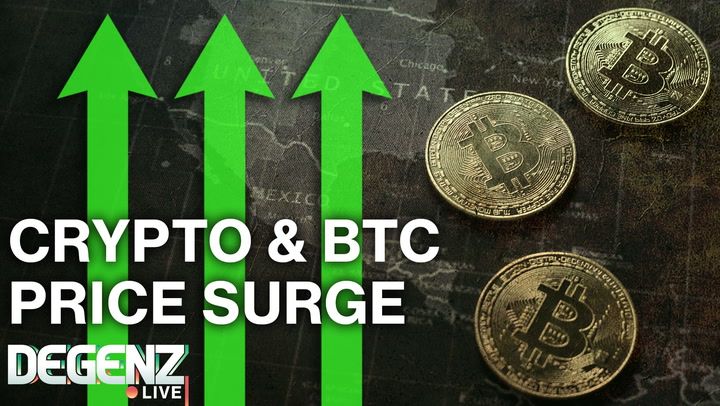
Markets snapped higher on headlines that the U.S. government would reopen, and crypto immediately priced in lower policy risk. Bitcoin advanced 4% to $106,000, Ethereum rose 4% to $3,590, Binance Coin added 1% to $996, and Solana gained 5% to $168. The high-beta tail followed: Starknet jumped 40%, Wolfi climbed 27%, Pump added 17%, and Near Protocol rose 18%. Zcash staged a sharp round-trip—spiking to $750 on Friday before easing to $630—yet it remains up 57% on the week.
The interesting thread isn’t the green screens; it’s how policy toggles are steering liquidity. When Washington signals functionality, traders often compress risk premia across the board. That relief tends to travel quickly through BTC’s order books, then out the curve into altcoins where liquidity is thinner and reflexivity is stronger. You saw that play out in the asymmetric moves for STRK and ZEC—names where incremental marginal buyers can meaningfully move price because market depth is patchy.
Now layer the UK’s plan to cap stablecoin holdings at £20,000. That ceiling won’t kill crypto activity, but it does change the plumbing. If implemented, capital will segment: professional flow migrates to venues and instruments outside the cap’s perimeter, while retail interacts with ring-fenced stablecoin rails. The result is more fragmentation—multiple pools of liquidity with different frictions—raising the cost of moving size and increasing basis dislocations between on-chain markets and offshore OTC venues. Over time, design choices like per-wallet caps can push users toward multi-wallet strategies, custodial workarounds, or non-sterling settlement, each with its own compliance and counterparty profile. Markets don’t fear rules; they fear uncertainty about how those rules evolve and interact across jurisdictions.
Corporate funding signals matter here too. Ledger is reportedly weighing a New York IPO or a private raise within the next year. Either path tells you something about where risk capital sits. An IPO would imply public markets are comfortable underwriting crypto infra cash flows; a private round suggests specialized investors still believe they can price the risk better than public buyers. Both are viable in this tape, but the window is fickle—particularly if regulation tightens stablecoin throughput, which indirectly affects hardware wallet velocity in periods of retail-onboarding spikes.
Cross-asset sentiment is noisy as well. Michael Burry’s $1.1 billion short against Nvidia and Palantir rattled tech and stoked the “AI top” narrative. Whether or not that call is right, it nudges marginal risk capital to look for uncorrelated momentum. Crypto often benefits tactically from that rotation when macro anxiety clips equity multiples, even if the flows are transient.
Net effect: a headline on government reopening relieved a pressure point, and the crypto complex—especially the long-duration, higher-beta names—reacted as it usually does. The next test is whether policy follow-through and clearer stablecoin frameworks support sustained liquidity, rather than just a quick squeeze through thin books.