Chicago Bitcoin ATM Founder Indicted in Alleged $10M Laundering Through Crypto Dispensers
U.S. prosecutors charged Firas Isa, founder of Virtual Assets LLC (Crypto Dispensers), alleging $10M in illicit funds were routed via Bitcoin ATMs to digital wallets; he pleaded not guilty.

Because Bitcoin
November 18, 2025
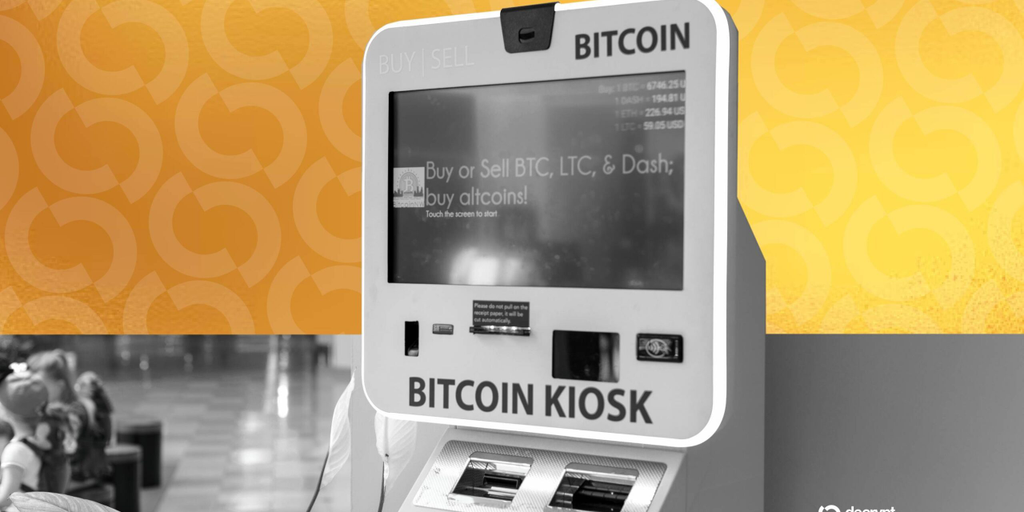
Federal prosecutors in Chicago unsealed an indictment alleging that Firas Isa, the founder of Virtual Assets LLC—which did business as Crypto Dispensers—moved at least $10 million in criminal proceeds through a network of cash-to-crypto ATMs and digital wallets. The Northern District of Illinois filing says victims and criminals sent funds to Isa, his company, or a co-conspirator, after which the money was converted to cryptocurrency and transferred onward. Isa and the company pleaded not guilty to a single count of money-laundering conspiracy, which carries a potential 20-year sentence, with a status hearing set for January 30, 2026, before U.S. District Judge Elaine Bucklo.
Prosecutors assert Isa knew the funds were derived from fraud. They did not specify which cryptocurrencies or wallet providers were allegedly used. The company’s ATM footprint spanned the United States, where kiosks are expected to operate with know-your-customer controls designed to deter money laundering. Isa did not immediately respond to a request for comment. As with any case at this stage, the allegations must be proven beyond a reasonable doubt; if convicted, Isa and the company could face forfeiture of property tied to the offense, including a personal money judgment, and the government could seek substitute assets if necessary.
The core issue here is a familiar weak link: KYC design in Bitcoin ATM workflows. Many kiosks rely on tiered verification with low-dollar thresholds and fragmented monitoring, which can invite structuring and social engineering. Operators that optimize for frictionless cash intake often defer robust screening to the back end, but once cash converts to crypto, velocity increases and recoverability falls. Where an exchange can holistically map user behavior across fiat and on-chain rails, a kiosk running multiple providers and payout paths may only see disjointed snippets—enough to satisfy box-checking, not enough to halt a pattern in real time.
A tighter model would blend several controls without suffocating legitimate access: - Real-time on-chain heuristics at the point of sale: velocity alerts, change address tracing, and counterparty risk scoring before releasing funds. - Dynamic KYC that escalates identity proofing as risk signals stack, not just as dollar thresholds are met. - Geofencing and device fingerprinting to prevent carousel usage across nearby kiosks. - Clear refusal logic for transactions touching addresses associated with fraud typologies, coupled with rapid victim-interdiction workflows. - Transparent disclosures at the machine that deter “blind forwarding” by scam victims and create a pause moment before conversion.
Psychologically, ATMs sell immediacy and perceived privacy—qualities scammers exploit when they instruct victims to “buy Bitcoin now and send.” Business-wise, some operators chase volume from customers who value anonymity, and that incentive can dilute compliance rigor if governance is weak. Ethically, the sector balances financial access for cash users with the harm caused by laundering and fraud; when victims and criminals both appear in the same transaction stream, the operator’s duty of care becomes more than a regulatory checkbox.
This case also arrives as federal policy evolves. In April, DOJ said it would wind down its National Cryptocurrency Enforcement Team and avoid charging exchanges, mixers, or cold-wallet holders for user actions. Yet this indictment signals that willful money-laundering conduct by operators remains very much in scope. In parallel, DOJ, the FBI, and the U.S. Secret Service launched a Scam Center Strike Force last week to target crypto frauds linked to China, suggesting more focus on the scams pipeline while still pursuing facilitators when intent and knowledge can be shown.
For Bitcoin ATM businesses, the takeaway is straightforward: invest in layered AML that aligns the user experience with real-time risk controls, not just policy on paper. The companies that survive the next regulatory turn will be the ones that can convert cash to crypto without converting compliance into an afterthought.