Bitfarms to Exit Bitcoin Mining by 2027, Refocuses on AI Compute With Nvidia GB300 Buildout
Bitfarms posted a $46M Q3 loss and will phase out BTC mining by 2026–2027, pivoting to AI/HPC infrastructure, starting with a Washington GPU site and a $300M-backed PA expansion.

Because Bitcoin
November 14, 2025
Bitfarms is trading the halving cycle for the inference cycle. After reporting a $46 million net loss in Q3—wider than the $24 million loss in Q3 2024—the publicly traded miner said it will phase out Bitcoin mining over 2026–2027 and redirect its footprint to high-performance computing for AI. Shares of BITF fell about 18% to $2.60 on the announcement and are down more than 51% over the past month. Bitcoin itself slid nearly 3% in the past 24 hours to $99,441, touching a six‑month low earlier on Thursday.
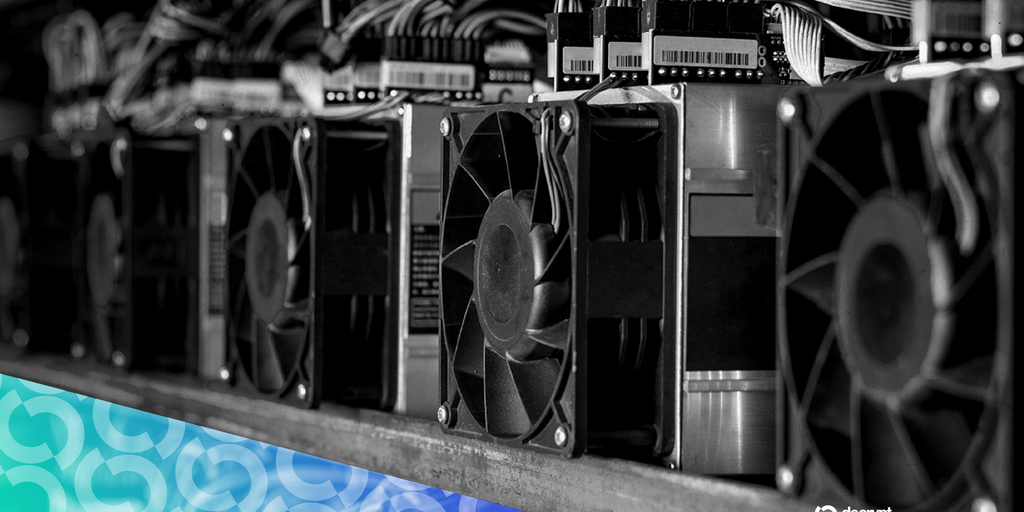
The hinge of this strategy: convert power-rich mining campuses into dense, liquid‑cooled GPU facilities and sell compute capacity as a service. Management says the transition is funded and already moving. The first major step is a Washington site retool aimed at hosting Nvidia GB300s with state‑of‑the‑art liquid cooling. Though the site represents less than 1% of Bitfarms’ total developable portfolio, CEO Ben Gagnon argued it could generate more net operating income than the company has ever produced from Bitcoin mining. That claim tracks with where the market is today: sustained AI demand has pushed GPU‑as‑a‑service pricing and utilization into ranges that, at scale, can eclipse post‑halving mining margins per megawatt.
This pivot is plausible given Bitfarms’ base: 12 data centers across North America with 341 MW of energy capacity. Power access is the scarce input both miners and AI operators chase. If you already control megawatts at favorable rates, the value migrates from hash rate to power density. But moving from ASICs to GB-class GPUs is not a simple swap. Power distribution must handle much higher rack densities; liquid cooling and heat rejection require new engineering; fiber connectivity, redundancy, and SLAs need to meet enterprise expectations. “Fully funded supply chain” helps, but commissioning risk sits in integration, timelines, and customer onboarding, not just parts availability.
The company is also repositioning its balance sheet for this shift. In October, Bitfarms converted a $300 million debt facility to finance a Panther Creek, Pennsylvania site intended to ride AI infrastructure demand. On the Q3 call, management pointed to consistent inbound demand for its sites and voiced conviction in the value of its energy portfolio and its ability to build next‑gen HPC and AI infrastructure. If contracted properly, multi‑year AI compute agreements can stabilize cash flows in a way mining rarely does, which could reduce earnings volatility that often punishes miner equities.
Investors’ hesitation is understandable. Two years is a long runway in both crypto and AI. Execution risk includes securing enough top‑tier GPUs (GB300 allocations are competitive), delivering liquid‑cooled capacity on schedule, and sustaining high utilization without over‑building into a pricing downturn. There’s also the question of optionality: a full wind‑down through 2026–2027 means Bitfarms is leaning away from a future Bitcoin cycle in favor of secular AI demand. That is a clear bet on relative return per megawatt. Ethically and politically, expect scrutiny around large-scale power draw for AI versus grid needs, a debate miners already know well but that intensifies when workloads shift to corporate AI clients.
Bitfarms is not alone. Marathon Digital recently paired record revenue headlines with its own AI compute expansion plans. The difference here is intent: others are layering AI on top of mining; Bitfarms is the first major miner signaling a wholesale exit from its original business focus.
If Bitfarms lands early GB300 capacity and stands up reliable liquid‑cooled sites, the Washington conversion could validate the thesis that a sliver of its portfolio can out‑earn its entire mining history. If it misses allocation windows or the AI pricing curve normalizes faster than planned, the market will punish the spread between promise and utilization. A representative did not immediately respond to a request for comment.
For now, the company is choosing power monetization over hash rate, leaning into the part of its stack the market values most: megawatts that can be densified, cooled, and sold to the highest‑margin workload.