Bitdeer Slides 20% as Q3 Loss Widens; Revenue Jumps and AI Compute Push Accelerates
Bitdeer shares dropped 20% after a $266.7M Q3 net loss, even as revenue nearly tripled to $169.7M. Management doubled down on an AI compute pivot and U.S. rig production plans.

Because Bitcoin
November 11, 2025
Investors pulled risk fast. Bitdeer closed down 20% to $17.64 on Monday after reporting a $266.7 million net loss for Q3 2025—roughly a 422% year-over-year deterioration—despite revenue surging to $169.7 million from $62 million a year earlier. Loss per share widened to -$1.28 versus -$0.35 in Q3 2024, missing a -$0.22 consensus. Revenue topped forecasts.
Peers didn’t confirm the move, but they didn’t help the tape either. On the day, Marathon fell 1.8% and CleanSpark slipped 3.4%, while Riot edged up 1.8%. Over the past month, Marathon is down about 16.4%, CleanSpark about 22%, and Riot roughly 17.5%. Bitdeer had been roughly flat for the same stretch and remains down about 21% year-to-date.
Here’s the tension worth focusing on: the narrative is pivoting from Bitcoin hash to high-performance compute for AI, while the P&L still bears the weight of a capital-intensive buildout. Management called out “strong execution” and reiterated a heavier investment push into AI-oriented compute to capture rising demand. That strategy can work, but it changes the economic engine: instead of mining rewards with volatile hash-price dynamics, you’re selling deterministic compute contracts—if you can secure power, procure hardware at acceptable cost, and keep utilization tight.
On the mining side, the macro picture has tightened. Since last year’s halving, block subsidies dropped from 6.25 to 3.125 BTC, compressing revenue per terahash. Power and equipment costs have trended higher, which pressures unit margins unless efficiency leaps offset the decline. Some miners have leaned into holding coins and effectively function as crypto treasuries; others are retooling fleets or diversifying into data center services. Bitdeer is trying to do both: scale compute for AI while advancing its mining hardware roadmap.
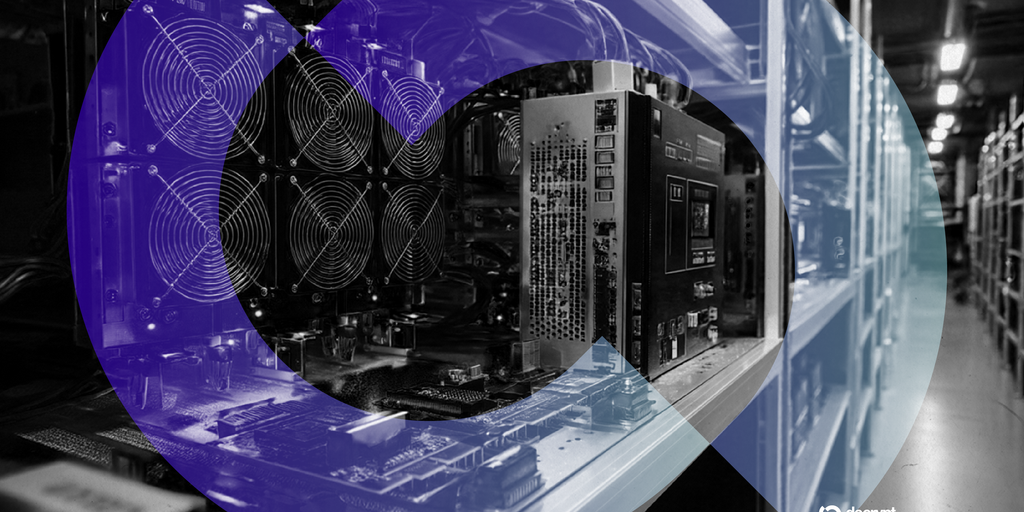
The hardware pivot matters. The company previously outlined plans to manufacture rigs in the U.S.—a deliberate move to localize supply that has been dominated by China-based vendors. Mass production of its Sealminer A3 has begun, while development of its next efficiency chip, SEAL04, has been delayed. Those updates cut both ways. Domestic manufacturing can de-risk logistics and regulatory exposure and may win longer-term contracts, but delays in a next-gen efficiency chip can postpone the hash-cost improvements miners rely on after a halving. In AI compute, any slip in silicon timelines or availability can mean underutilized capacity or the need to overpay on procurement.
Why did the stock react this hard when revenue almost tripled? In this market, a fat top-line beat doesn’t outweigh a fivefold loss expansion and an EPS miss, particularly when investors are still calibrating how quickly an AI compute business can convert capex into positive free cash flow. There’s also a signaling effect: accelerating spend into AI during a period of compressed mining economics reads as a high-conviction bet on data center returns. Some investors will reward that courage; others will discount execution risk until pricing, utilization, and contract length become visible.
What I’d watch next: - Contract quality for AI/HPC: term length, pricing power, and guaranteed utilization. This dictates cash conversion more than headline capacity. - Power strategy: locked-in megawatt rates vs merchant exposure. AI tenants and miners both live and die on cents per kWh. - Hardware cadence: A3 ramp consistency and revised SEAL04 timelines. Efficiency wins remain the cleanest path to margin in mining. - Balance sheet flexibility: ability to fund buildouts without excessive dilution during drawdowns.
Bitdeer’s direction is clear: diversify revenue from hash to compute while pushing vertical integration in hardware. The near-term challenge is the mismatch between the speed of investment and the pace at which those bets translate into earnings. In this cycle, discipline on costs and clarity on contracts will matter more than sheer growth in installed capacity.