Bitcoin, Ethereum Volumes Slide as ETFs Lead the Bid—Narrow Tape Signals Cautious Participation
Bitcoin near $95,300 and Ethereum at $3,250 as volumes fall 27% and 32%. $1.8B flows into spot BTC ETFs, policy jitters linger, and activity thins across majors.

Because Bitcoin
January 16, 2026
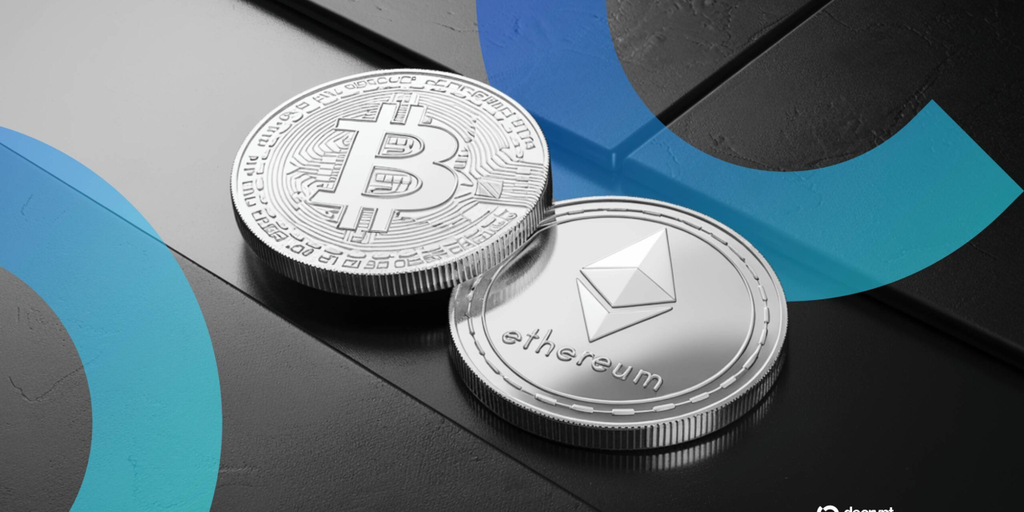
Bitcoin’s midweek burst faded into a quieter tape. After touching $94,600 on Wednesday, BTC traded around $95,300—up roughly 4.6% over seven days, per CoinGecko—while ETH climbed 5.9% to $3,250. Yet spot turnover told a different story: CoinGlass shows Bitcoin and Ethereum volumes down 27% and 32% to $65 billion and $54 billion. The cool-down extended to Solana, XRP, and Dogecoin.
The thread that ties this together is narrow participation. Since Monday, spot Bitcoin ETFs pulled in about $1.8 billion over four sessions. That steady primary-market demand suggests the bid is increasingly routed through ETF create/redeem pipes rather than crypto-native venues. Wintermute’s Jasper De Maere noted that the rally appears concentrated, with Wall Street carrying much of the advance while retail activity remains subdued. When the marginal buyer is an ETF allocator, the market can rise on relatively lighter exchange prints because flows settle via authorized participants and hedging desks, not retail-driven spot and perp churn.
Policy noise likely compounded the thinning. Coinbase stepped back from supporting a crypto market structure bill after weeks of pushing in Washington, as frictions over the SEC’s handling of crypto firms surfaced among some Democratic lawmakers. On Friday, CEO Brian Armstrong indicated he remains upbeat about a bipartisan path but acknowledged procedural issues would be left to the Senate. Separately, a group of commentators criticized the SEC in a letter addressed to Chair Paul Atkins. Momentum around the CLARITY Act had lifted sentiment when an updated draft appeared; GSR analyst Carlos Guzman said many expected progress this year, and the latest price pop seemed to align with that release. The Senate Banking Committee’s delay of a markup on Wednesday dented those hopes at the margin.
Macro stirred the pot, too. Guzman pointed to tensions in the Middle East after protests in Iran, and developments around President Donald Trump’s pressure campaign on the Federal Reserve. Fed Chair Jerome Powell warned that White House actions risked the central bank’s independence following Justice Department subpoenas tied to his testimony on a multi-billion dollar renovation of the Fed’s headquarters. Equities slipped while crypto and precious metals caught a bid—classic flight-to-alternatives behavior—but the follow-through in crypto spot volume lagged.
What stands out is the microstructure. ETF creations concentrate liquidity with a handful of APs and dealers who hedge on CME futures and top exchanges. That can lift price without broadening participation if retail sits on the sidelines and altcoin risk is rationed. Exchanges then see softer spot and perp turnover even as ETF AUM climbs. For market makers, the flow mix shifts from retail taker flow to institutional hedging, which often reduces the need to show aggressive two-way quotes across long-tail assets. The result: higher prices, thinner books, and episodic volatility when headlines hit.
From a business lens, this favors ETF issuers and large liquidity providers while leaving crypto-native venues and smaller tokens waiting for the next wave of engagement. Psychologically, political whiplash—optimism on reform, then delays and public critiques of the SEC—encourages caution. Ethically, repeated governance flare-ups around the Fed and regulatory oversight erode trust, which nudges investors toward safer wrappers like ETFs over direct on-exchange exposure.
What I’m watching next: - Does the Senate Banking Committee reschedule the markup quickly, restoring confidence in market structure progress? - Do ETF inflows persist if equities stabilize, or were the flows partly a macro hedge? - Do we see retail return—rising exchange volumes, tighter spreads, and broadened participation beyond BTC/ETH?
Until those catalysts arrive, the tape likely stays narrow: prices supported by ETF demand, volumes lighter across crypto-native venues, and altcoins taking cues rather than setting the tone.