Bitcoin ETFs Pull In $853.5M Over Five Sessions as Hike Odds Cool—Is This a Real Signal?
U.S. spot Bitcoin ETFs saw $853.5M in five-day inflows, ~80% into IBIT. With softer job data and easing hike odds, is this trend or tactical rebalancing?

Because Bitcoin
August 10, 2026
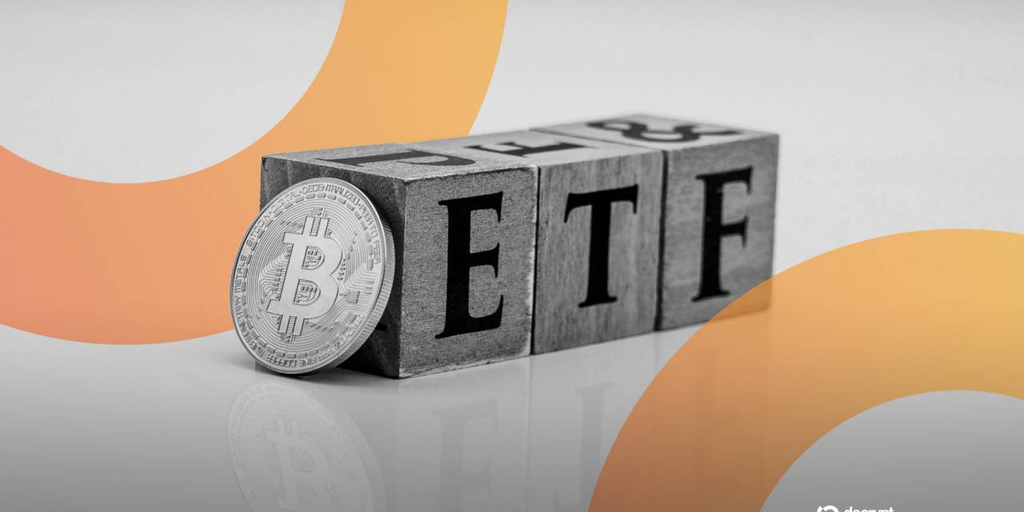
U.S. spot Bitcoin ETFs just logged five consecutive sessions of net inflows, totaling $853.5 million, reversing the prior week’s $61.5 million outflow and lifting cumulative net inflows since launch to $52.18 billion, per SoSoValue. Roughly $690 million—about 80% of the week’s net—landed in BlackRock’s IBIT, while Fidelity’s FBTC also attracted steady demand. The funds closed the week with $79.5 billion in assets, representing about 6.1% of Bitcoin’s market value. Bitcoin traded near $65,100 Monday morning, up 0.4% on the day per CoinGecko, and sits about 48% below its October 2025 peak.
The question worth asking: are these flows a durable regime tell or mostly tactical risk rotations tied to macro shifts? I lean toward “positioning, not pivot.” The flow pattern itself argues for caution. Momentum faded into the weekend—daily net creations slipped from $128.7 million on Thursday to $98.9 million on Friday. Under the hood, Invesco’s BTCO saw $19.4 million of outflows Friday and VanEck’s HODL lost $10.6 million, even as IBIT took in $86.7 million and FBTC $41 million. Concentration at one issuer hints at allocator convenience and basis trades rather than a broad, indiscriminate bid.
Macro explains a lot. Weaker U.S. employment data—employers cut 23,000 jobs in July versus a 95,000 gain expected—coincided with a pullback in September rate-hike odds: CME FedWatch slid to 40% from 55% on Friday, then nudged back to 46% Monday. That wobble lines up with a tactical “add BTC on dips” stance, not clear-cut policy capitulation. Bitcoin also remains in a death cross, with the 50-day below the 200-day, and longer-dated Treasury yields haven’t meaningfully rolled over. Support at $60,000–$61,000 has held multiple tests, but until yields and labor trend more decisively, upside impulses often fade into range behavior.
There are constructive undercurrents. CoinShares’ James Butterfill sees cycle lows likely behind us, while still expecting range-bound price action for two to three months, potentially stretching toward $80,000. He points to three straight weeks of whale accumulation after roughly $40 billion of whale selling since October 2025, alongside $1.05 billion of global digital asset product inflows last week—five positive weeks in a row. A credible path toward $100,000, in his view, would probably need clearer labor deterioration and a more decisive reset in rate expectations.
One wildcard: custody anxiety may be nudging flows. Since the recent Coldcard exploit began draining coins from air-gapped wallets, IBIT, FBTC, and others have reportedly taken money every day, contributing to what was the sector’s best week since April and the third strongest since last October. Exchange deposits made up of sub-10 BTC transfers hit 7,300 BTC on July 31, the highest since February, suggesting some holders moved coins for safety—though the linkage isn’t definitive. If even a slice of retail and smaller whales are substituting self-custody risk for ETF wrapper convenience, that’s a behavioral shift with business implications: the trust premium around regulated, liquid vehicles can attract assets even without a full risk-on narrative.
Catalysts to break the range sit in September. The next Fed meeting coincides with another window for the Clarity Act; some market participants doubt Republicans can marshal the votes in time. Polymarket odds for passage this year ticked up to 21% Monday from 14% on August 6, still not a consensus call. A realistic peace framework involving Iran could calm inflation fears and cool rate-rise appetites, which would help risk assets. For now, holiday liquidity is thin and the market often feels oversold without conviction.
Netting it out: five days of ETF inflows are encouraging, but the quality of the signal matters. An 80% tilt into a single fund, slowing daily momentum, unresolved trend signals, and still-elevated yields argue for patience. If jobs data keeps softening and AI-linked equities continue to de-crowd, capital can rotate further into Bitcoin. Until then, treat strength as range mechanics around well-traveled support, and watch three gauges for confirmation: sustained ETF breadth beyond IBIT, a clear rollover in rate expectations, and on-chain spot accumulation outpacing ETF creations.