Binance to convert $1B SAFU reserve into bitcoin over the next month as crypto slides
Binance will move its $1B SAFU reserve into bitcoin over the next 30 days. Here’s why a BTC‑denominated user fund can bolster confidence—and where the risk quietly shifts.

Because Bitcoin
January 31, 2026
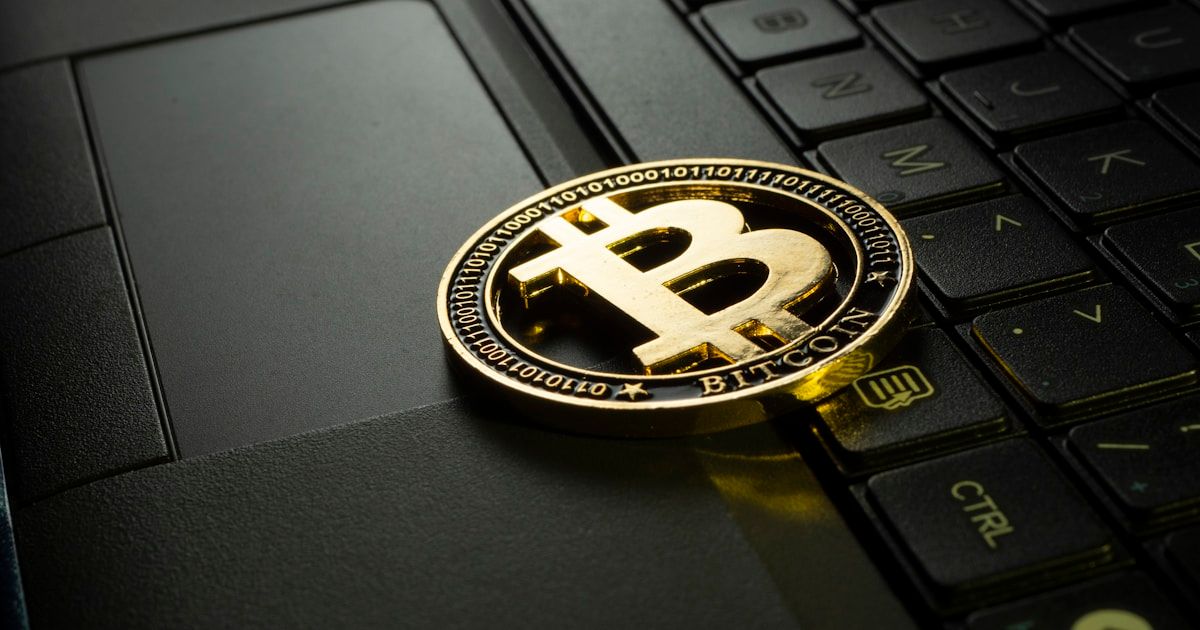
Binance said it will convert its $1 billion Secure Asset Fund for Users (SAFU) into bitcoin across the next 30 days to steady nerves during a shaky tape. The headline is simple; the choice of denomination is the real story. Shifting a user‑protection reserve into BTC concentrates risk and message at once.
A BTC‑denominated backstop aligns with crypto’s core thesis: hold the asset with the least counterparty exposure and the strongest settlement assurances. In periods when fiat rails get messy and stablecoin frameworks draw scrutiny, anchoring reserves in bitcoin can remove layers of intermediaries that occasionally become the problem. It also reframes the fund as a conviction signal—Binance is effectively saying the ultimate collateral in this industry remains BTC, not IOUs.
That clarity comes with trade‑offs. A protection pool is most needed exactly when markets break. If bitcoin sells off further, the purchasing power of a BTC‑only SAFU may dip when claims rise. Correlation risk matters: tying the fund to the same asset that drives industry drawdowns can compress buffers at the wrong moment. In traditional risk terms, you’re swapping issuer and banking risk for market beta. There’s no free lunch—only a reallocation of what you choose to underwrite.
Executing over 30 days suggests a gradual accumulation that reduces impact and slippage. It also invites a familiar dance: some traders try to front‑run predictable flows while the buyer aims to be invisible. In crypto, signaling intentions can move sentiment as much as price. The flow may be absorbed, but the narrative—“a $1B buyer is in the market”—often nudges risk appetite, even if only tactically.
The bigger question is policy. A user‑protection fund isn’t a prop book. Credible reserves usually publish: the asset mix and addresses; rebalancing bands; hedging criteria for tail events; conditions that trigger deployment; and audit cadence. If the fund is now BTC‑centric, is there a downside hedge during severe stress? Will it dynamically rebalance after large payouts to avoid path dependence? These mechanics don’t need to be flashy; they need to be predictable.
Ethically, concentrating into bitcoin can be justified if the goal is minimizing third‑party failure risk. Still, some users will prefer a layered approach—BTC core with a liquidity sleeve for near‑term obligations. That hybrid preserves autonomy while dampening volatility when payouts spike. A single‑asset reserve is clean, but simplicity can be brittle unless governance is tight.
What to watch next: - On‑chain disclosures: addresses, cadence, and any derivative overlays - Execution footprint: whether order books show persistent, disciplined bids - Policy transparency: rebalancing rules and payout procedures post‑conversion - Market read‑through: if this becomes a template for other platforms’ safety pools
This move won’t solve cyclical drawdowns, and it isn’t meant to. It is a statement about which collateral the industry trusts when the music slows. If Binance pairs the conversion with clear, verifiable rules, a BTC‑denominated SAFU can strengthen confidence without turning into a fair‑weather umbrella.